
Thailand with Kids
Family travel guide for parents planning with children
Top Family Activities
The best things to do with kids in Thailand.
Elephant Nature Park, Chiang Mai
This is one of Thailand's most ethical elephant sanctuaries, no riding, ever. Families feed, bathe, and walk beside rescued elephants. The experience moves kids of every age. The sanctuary's transparent rescue mission gives older children something meaningful to think about.
Chiang Mai Night Bazaar and Sunday Walking Street
Thailand's markets hand kids Southeast Asia on a plate, lanterns swing overhead, local crafts pile high, street performers juggle fire, and snacks cost pocket change. Sunday Walking Street on Wualai Road skips the crush of other markets. Locals smile.
Snorkeling at Koh Lanta or Koh Phi Phi
Thailand's Andaman Sea islands deliver the country's easiest snorkeling, calm, shallow waters packed with bright fish. Koh Lanta stays notably calmer and less party-oriented than Phi Phi, so it is the clear family choice. Half-day boat trips run smoothly and remain manageable even for younger children.
Doi Inthanon National Park
Bangkok heat? Forget it. Thailand's highest mountain drops the temperature like a switch, waterfalls, royal gardens, hill tribe villages, cool air that hits like a revelation. The short nature trails? walkable with school-age kids. Twin royal chedis? Beautiful enough to freeze even a ten-year-old's attention.
Thai Cooking Class for Families
Bangkok, Chiang Mai, Phuket, every city runs family cooking classes where kids roll pad thai, fold spring rolls, and steam mango sticky rice under calm guidance. They treat it like art class with snacks. Eating your own lunch afterward? That moment outshines temple tours for plenty of families.
Grand Palace and Wat Pho, Bangkok
Bangkok's well-known sites deliver. Crowds? Sure. But the Grand Palace's glittering mosaics and Wat Pho's 46-meter reclining Buddha still wow kids who swear they're temple-bored. The scale alone does the heavy lifting, no lecture required.
Khao Yai National Park
Wild elephants, less than 3 hours from Bangkok. Khao Yai, a UNESCO World Heritage site, delivers that jolt. Families join guided treks, spotting hornbills, gibbons, and those grey giants in one sweep. It isn't a zoo. The forest air runs cooler than the capital's heat, and the difference hits you fast.
Water Parks: Cartoon Network Amazone (Pattaya) or Splash Jungle (Phuket)
Cartoon Network Amazone near Pattaya, still the best bet on a 35-degree scorcher. The park is well-kept, split into age-appropriate zones so toddlers don't get flattened by teens. Splash Jungle in Phuket runs smaller, easier to navigate when you've got a five-year-old and a fifteen-year-old pulling in opposite directions. Both parks give the family that pure reset button: water, noise, zero school talk.
Chiang Rai's White Temple (Wat Rong Khun)
Kids don't forget the White Temple. The all-white mirrored exterior stops them cold, otherworldly, almost lunar. Architect Chalermchai Kositpipat crams in surrealist touches: a contemporary hell tableau, twisted hands reaching up. Nothing like any religious site they've seen. Worth the drive from Chiang Mai.
Floating Market Day Trip (Amphawa or Damnoen Saduak)
Wooden boats brim with noodles, fruit, and toys, kids who hate temples stare wide-eyed. This is Thailand at full tilt. Amphawa swaps the tour-bus crush of Damnoen Saduak for a low-key riverside scene, and its weekend evening market is excellent.
Best Areas for Families
Where to base yourselves for the smoothest family trip.
Chiang Mai wins as Thailand's best family base, pace slows, air clears, temps soften. Temples, night markets, elephant sanctuaries, cooking classes, everyone's covered. The Old City fits in your pocket. Walk it. Wide sidewalks, rare here, line every corner. Family restaurants crowd each turn.
Highlights: Elephant sanctuaries within an hour's drive. Sunday Walking Street. Doi Suthep temple hike. Cooking classes. Sunday market. Cool-season temperatures.
Koh Lanta doesn't shout. Among Thailand's many islands, it keeps an unusually calm, unhurried character that simply works with children. The west coast beaches stretch long and stay relatively sheltered, no pounding surf, no rip currents. Swimming stays safe for most of the season, and the absence of the nightclub scene that dominates Phuket and Samui leaves the overall atmosphere noticeably more family-oriented. You'll find everything you'd practically need in Ban Sala Dan.
Highlights: Mu Ko Lanta National Park delivers calm beach swimming that'll spoil you for anywhere else. The snorkeling day trips? They're short, sharp, and full of reef sharks you'll never forget. Mangrove kayaking starts at sunrise, total silence except for paddle splash. Family-friendly restaurants on the beach serve grilled squid so fresh it still tastes of salt water.
Thailand's oldest beach resort has been a favorite of the Thai royal family for a century. Its character reflects that, established, calm, and unexpectedly well-suited for families. The beach is long. It is relatively clean. The town has excellent seafood markets. The proximity to Bangkok (3 hours by train) makes it an easy weekend destination. The famous deckchair rows and the night market are low-key highlights.
Highlights: Long, safe beach. Night market. Sam Roi Yot National Park, caves with sleeping bats. Vintage railway station. Cicada Market.
Bangkok's better for families with older children (7+) than you'd guess, if you base yourself on the Chao Phraya River instead of Sukhumvit's gridlocked tourist corridors. River express boats are practical transport and pure excitement. Riverside temples rank among the country's best. ICONSIAM mall holds an indoor floating market plus kids' zones, perfect when rain hits.
Highlights: Skip the Grand Palace crowds at 8 a.m., you'll still queue, but you'll walk straight into Wat Pho by 9. The reclining Buddha fills the hall. His feet alone swallow 45 meters of gold. Across the Chao Phraya, orange-flag boats cut through brown water every 15 minutes. Ride them south to ICONSIAM mall, air-con blast, river views, same skyline you've been sweating to photograph. Back on land, the Snake Farm (Queen Saovabha Memorial) milks cobras at 11 and 2. Thirty minutes of fangs, venom, gasps. Done. Walk north to Tha Chang Pier for boat noodles, dark broth, slippery pork, 20 baht a bowl. Eat three.
Pai could fairly be called the cooler mountain town in Northern Thailand that families hit after they've ticked off Bangkok-Chiang Mai-beach and crave something real. The valley delivers: hot springs, waterfalls, canyon walks, rice fields, enough raw outdoor adventure to keep older children and teens off their phones. The town itself? Compact, pedestrian-friendly, and packed with bohemian cafes where exhausted parents can finally exhale.
Highlights: Pai Canyon walk beats every viewpoint in northern Thailand, sunset crowds or not. You'll thread knife-edge ridges with 30-meter drops left and right, cool mountain temperatures cutting through the sweat. Most skip Pam Bok waterfall. Their loss. A 15-minute motorbike ride out of town, the blue-green pool sits under a 10-meter cliff jump that locals guard like a secret. After, soak at the hot springs, three concrete pools, 20 baht entry, water hot enough to turn skin pink in minutes. Mae Yen waterfall demands more effort: 7 kilometers round-trip through bamboo forest, river crossings ankle-deep, ending at a 30-meter cascade few bother to reach. Back in town, the night market fires up at 6 p.m. Stalls sell khao soi for 40 baht, grilled pork skewers for 10, and mango sticky rice that disappears fast. Walk the rice fields at dawn. Mist hangs low, farmers bend knee-deep in water, and the whole valley smells like wet earth.
Family Dining
Where and how to eat with children.
Thai families eat out constantly. The culture welcomes children in restaurants, you won't get the frosty looks kids draw in European fine dining. The challenge isn't hospitality. It's heat. Authentic Thai food leans on chilies in ways that ambush young palates. Most restaurants will prepare mild versions if you ask, say 'mai pet', not spicy. There's always a fallback list: pad thai, khao man gai (poached chicken rice), fried rice, green papaya salad without chilies. Kids accept these readily. Street food stalls thrill but need caution on hygiene for younger children.
Dining Tips for Families
- Say 'mai pet', not spicy, and 'pet nit noi', a little spicy. These two phrases are understood everywhere. They change what lands on your table.
- Khao pad, fried rice, is every parent's secret weapon. Every restaurant serves it. Most kids won't whine.
- Large family-style Thai meals, everything lands at once, can flatten young kids. Order one dish at a time. It's fine. They'll thank you.
- Thai desserts won't scare the kids. Mango sticky rice, coconut ice cream, pandan layer cake, fresh fruit shakes, every single one lands well.
- Street food is safe for kids, if you choose right. Hit the busy stalls, the ones with lines and quick turnover. Skip anything that's been sitting in the sun at quiet spots. Peel your own fruit. Don't buy pre-cut.
Kids won't revolt here. Steamed rice, poached chicken, clear soup, simple shops turn this trio into Thailand's safest bet for young eaters. Flavors stay gentle. Portions flex. You'll find them everywhere, from 7-Elevens to dedicated shops that open at 6am.
Walk into any coastal Thailand seafood joint and you'll see tanks lined with live fish and shellfish, kids press their noses against the glass, suddenly eager to try what they've just pointed at. The trick works. Most places offer simple grilled or steamed plates that sidestep the chili question entirely.
Evening markets in Thailand could fairly be called a crash course in flavor. Kids point, taste, swap plates. They'll sample six dishes in ten minutes and suddenly know galangal from lemongrass. Pad thai, grilled corn, roti with condensed milk, fresh fruit smoothies, safe bets for picky eaters, every time.
Thai food burnout happens. When it does, Bangkok, Phuket, Chiang Mai, and Koh Samui have you covered. Italian, Japanese, American, whatever you're craving, they've got it. Surprisingly cheap by Western standards. One plate of carbonara or a decent burger resets the palate. Then you're ready to dive back into som tam and khao soi.
Tips by Age Group
Tailored advice for every stage of childhood.
Thailand with toddlers? Absolutely doable, if you slash your daily goals. The heat will crush them first. Bangkok and Phuket hit 35°C by mid-morning, and tiny bodies can't cool down. Thirty minutes outside and your stroller nap becomes a meltdown. Flip side: Thais treat toddlers like celebrities. Walk into any restaurant with a 0, 4-year-old and half the staff will whisk them away, no charge, pure joy.
Challenges: Heat exhaustion is the real killer, plan daily nap breaks in air conditioning. Keep 11am, 3pm as rest time. Dress toddlers in as little as modesty allows. Thai food at authentic heat levels won't work for most toddlers, plain rice, fruit, or familiar snacks cut meltdowns fast. Strollers can't handle Bangkok's uneven sidewalks, a soft carrier works better.
- A private pool or shallow kids' pool isn't a luxury, it's your lifeline. When the sun hits its peak, you'll have a guaranteed retreat. Toddlers? They'll splash for entire mornings without a single complaint.
- Pack double the formula and diapers in your carry-on. You'll need them. Flight delays strike without warning, so do unexpected overnight stays.
- Pack small plastic bags for wet swimsuits and dirty clothes, Thai guesthouses won't always give you any.
- 7, 9am temple visits are cool enough for toddlers. Monks' alms-giving ceremony stays calm, visually beautiful, most toddlers watch, eyes wide.
Thailand clicks with kids aged 5, 12. They've got the stamina for Bangkok's heat, the curiosity for temple stories, and, still want you around. This age bracket comes home talking nonstop about pad thai they cooked themselves, elephants they fed, and monks who smiled at them. One cooking class and they're hooked. One saffron-robed monk and they're asking about Buddhism, then about continents, then about everything.
Learning: Thailand hands school-age kids a classroom with no walls. Buddhist temple visits around Bangkok slam world religions and Southeast Asian history into three dimensions, they'll never forget the saffron robes. Elephant sanctuaries near Chiang Mai force the wildlife conservation debate right now, not later in some textbook. The ethics of animal tourism? Elephants staring them in the face. Cooking classes turn food geography into something they can taste, rice fields to wok in one afternoon. Bangkok's glass towers spike skyward while rural village life around Chiang Mai moves to water buffalo time. That visible contrast gives you raw material for development, poverty, and economics discussions that hit different when kids walk through them instead of just reading.
- Let the kids pick. Handing school-age children one or two 'chosen' activities per day flips the mood, suddenly they're invested, guiding the rest of the itinerary instead of dragging their feet.
- Hand your kid 200, 300 THB at the night market, done. They'll learn baht coins, haggle like locals, and still have change for mango sticky rice.
- Thai temples won't let you past the gate without covered shoulders and knees, skip the sarong queue by packing lightweight linen pants and a throw-on cover-up for each kid.
Thailand works for teenagers. The sensory intensity, the prices, the food, the outdoor adventure, teens respond to all of it. They can navigate street food on their own. They'll try watersports, cooking classes, trekking. Parents don't face the safety concerns that make other Southeast Asian destinations a headache with adolescents. But the nightlife economy is visible. In Pattaya, Phuket's Patong, and Koh Phangan, you'll want to steer the family base toward calmer parts of town. Worth the effort.
Independence: Bangkok and Chiang Mai are navigable enough that older teens (15, 17) can handle meaningful independence during daylight hours. Grab works everywhere. The streets, cafes, and markets give an adventurous teenager plenty to explore alone, and the cities are generally safe for obvious tourists. Islands and beach towns demand more parental awareness. The nightlife culture surrounding them matters. Daytime independence? Usually fine. Koh Tao proves the point: a small, walkable island where a 16-year-old can get dive-certified independently and explore the beach without reasonable concern. Patong Beach and Pattaya's central strip? Avoid them as family bases, if your teens push boundaries, those places won't help.
- Grab a Thai SIM at the airport, $10, $15 flat. Suddenly your teens have Google Maps and Grab running, no tether to parents required. Real independence.
- Muay Thai gyms run tourist sessions where teens can train, it's a respectful cultural experience and a brutal workout.
- Plan a teen-focused half-day around a shared experience, rock climbing or a cooking class, before the group splits. It resets the family dynamic when travel stress builds.
Practical Logistics
The nuts and bolts of family travel.
You'll need a plan. Getting around with children in Thailand demands creative problem-solving from the first day. Taxis and Grab, the local Uber equivalent, are everywhere and cheap. Yet car seats simply don't exist. Bring your own infant or toddler seat if safety is non-negotiable, then wrestle it into a Thai taxi while the driver watches with polite confusion. For older children, Grab wins. In Bangkok, Phuket, Chiang Mai, every city, it's the practical choice. Tuk-tuks? Good for five-minute crawls through traffic. Kids adore the novelty. Don't even think about them on highways. Bangkok's BTS Skytrain and MRT are air-conditioned, reliable, stroller-friendly. Most stations have elevators. Some older BTS stations don't, check before you go. Plan routes accordingly. Chiang Mai's red songthaews, shared trucks, cost almost nothing and work for kids who can climb aboard unaided. Between cities, sleeper trains become adventure central. The overnight Bangkok to Chiang Mai route beats any flight for school-age children who can appreciate the journey. Strollers glide through Siam Paragon, Phuket resorts, tourist zones. Bangkok sidewalks? Different story. Rough concrete, sudden gaps, entire blocks without pavement. Pack a lightweight carrier alongside any stroller. You'll use both.
Bangkok Hospital and Bumrungrad International are excellent. English-speaking staff. Short wait times. Thailand's healthcare infrastructure punches above Southeast Asian standards in every tourist zone and city. Chiang Mai, Phuket, Koh Samui, each hosts at least one private hospital that treats foreigners daily. They've seen it all. Pharmacies (rang khai ya) sit on every corner, shelves packed tight. Basic meds, rehydration salts, antihistamines, paracetamol, common antibiotics, no prescription needed. Grab and go. Baby formula? International brands like Similac and Enfamil line the aisles at Tops Supermarket, Villa Market, Big C hypermarkets nationwide. Diapers? Every 7-Eleven has them. Stock up. One non-negotiable: complete travel insurance covering emergency medical evacuation. Not because care is poor, because costs spiral fast and small islands might need helicopter transfer to reach proper facilities. One rough night. One call. One flight. Practical tip: pack a rehydration sachet (Pedialyte equivalent) for each child. Always. Heat and traveler's stomach hit small bodies hard, rapid dehydration follows.
Thailand delivers family digs that won't wreck a Western wallet, period. First filter: pool safety. Many Thai resort pools have zero fencing, dead serious if you've got toddlers, so grill the front desk about gates or shallow zones. Second: air-con in every room. Non-negotiable during hot season. Third: confirm a cot or rollaway for the kids before you pay. Kids' clubs? Ubiquitous in Phuket and Koh Samui. Drop the small humans. Grab a coffee. Breathe. Staying longer than a few nights? Pick a serviced apartment. A kitchen nukes food-related stress, boil pasta, chop fruit, done. Villa rental via Airbnb or Villa Finder is the smart play. A private-pool villa sleeping six in Koh Samui or Phuket costs $150, $400/night. Compare that to a shoebox hotel room in London or New York and you'll laugh. High season, November, February, books out fast. Reserve early or you'll bunk on a sofa.
- High-factor (SPF 50+) waterproof sunscreen, Thai brands sit on shelves but they slip whitening agents into the mix. Pack your own tube from home.
- Pack one lightweight long-sleeved UV shirt per child, beach sand sticks, temple guards frown at bare shoulders.
- Bring a child-sized snorkel mask. Rentals rarely fit small faces. Your kids won't miss a single fish.
- Pack this. Basic first aid kit, rehydration sachets, antihistamine cream, children's paracetamol and ibuprofen, blister plasters, antiseptic wipes. Done.
- A small portable fan, USB or battery-powered, saves the day. Toddlers can't regulate their own temperature in heat. This tiny device becomes invaluable.
- Car seat or travel car seat if traveling with infants or toddlers, Thai taxis don't provide them
- Pack one lightweight rain jacket per person, no exceptions, if you're heading to shoulder or rainy season.
- Pack motion-sickness meds before any boat trip. Even the Andaman's calm waters can flip a kid's stomach.
- $2, $5. That is what Thai families pay for a full meal at the local restaurant or market stall. Tourist-facing restaurants charge $15, $30 for functionally similar food. Eat where they eat.
- Skip the beachfront circus. A 10-minute walk inland from central beach in Patong or Ao Nang slashes accommodation prices 30, 50%. Same sand, same sea, zero downside.
- Grab beats taxis, every time. The app undercuts metered cabs and wipes out the haggle you'll dread when kids are melting down.
- Thailand's best stuff costs almost nothing. A temple pass runs $1, $4. Markets? Free. National-park waterfalls: $5, $10. Beach days cost zero. You can coast a full week on those numbers, no big spend required.
- Shoulder season, October, May, June, slashes prices 20, 40% below peak. Rain? Sure. Pack solid rain gear, keep plans loose, and you'll barely notice.
Family Safety
Keeping your family safe and healthy.
- ! Fair-skinned kids can burn in 20 minutes flat when Thailand's UV index spikes to 11, 12. Brutal. That is why sunscreen isn't optional, it's armor. Slather on SPF 50+ 30 minutes before stepping out, then hit reapply every 90 minutes and immediately after any swim. UV-protective shirts and hats? Non-negotiable for beach days. Treat it like brushing teeth, just do it.
- ! Thai traffic fatality rates are among the highest in the world. The driving culture on roads outside the tourist resorts is dangerous by most Western standards. Don't hire motorbikes with children on board, the combination of road conditions, local driving style, and the complete absence of car seat infrastructure makes it a serious risk. In cities, use Grab over unmetered taxis. Always put children in available seatbelts. Keep children away from the road edge in busy areas.
- ! Red flags mean no swimming, ignore them and you'll regret it. Water safety at the beach varies enormously by location and season. The Gulf of Thailand side (Koh Samui, Hua Hin) and Andaman side (Phuket, Krabi) have different wave patterns and seasonal risks. Those red flags? Treat them seriously, even if other people are in the water. Koh Tao and Koh Lanta generally have calmer, more family-suitable swimming than the west coast of Phuket during monsoon season. Watch children in the sea continuously. Rip currents occur on exposed coasts.
- ! Bottled water only, tap water in Thailand isn't potable. Period. Food and water hygiene demands constant vigilance with kids in tow. Skip the ice at street stalls unless it arrives in large blocks from known suppliers. Crushed ice from mystery sources is a gamble. Wash hands like a surgeon before every meal, and pack hand sanitizer like your sanity depends on it. When traveler's diarrhea strikes a child, start oral rehydration immediately. If symptoms drag past 24, 48 hours or the child is under 2 years old, get medical help without delay.
- ! Heat illness kills, kids under 6 and during March, May. Watch for heat exhaustion: excessive sweating, weakness, dizziness, nausea. Get them into air conditioning fast and push fluids. Heat stroke is worse, confusion, no sweating, very high temperature. Call 911. Prevention is simple. Block out afternoon hours (12, 3pm) for air conditioning rest. Make children drink water constantly, not just when thirsty. Skip packed itineraries on brutal days.
- ! Touch a Buddha statue and you'll learn fast. Kids climbing the figures isn't just frowned upon, it can spark a showdown with temple staff or police. Same rule applies when children get rowdy around monks. Thai people show patience. Yet it isn't endless. The risk isn't physical. It is the awkward, heated moment you won't forget.
- ! Know this: a printed evacuation hotline beats a dead phone every time. Keep copies, paper or offline, of your travel insurance, because when a speedboat accident strands you on Koh Lipe you'll want that emergency evacuation number memorized. Slip a card into each kid's day bag: your Thai number, hotel address, blood type. They wander three stalls away in Chatuchak Market? That scrap of paper buys peace.
Book Family Activities
Top-rated family experiences in Thailand.
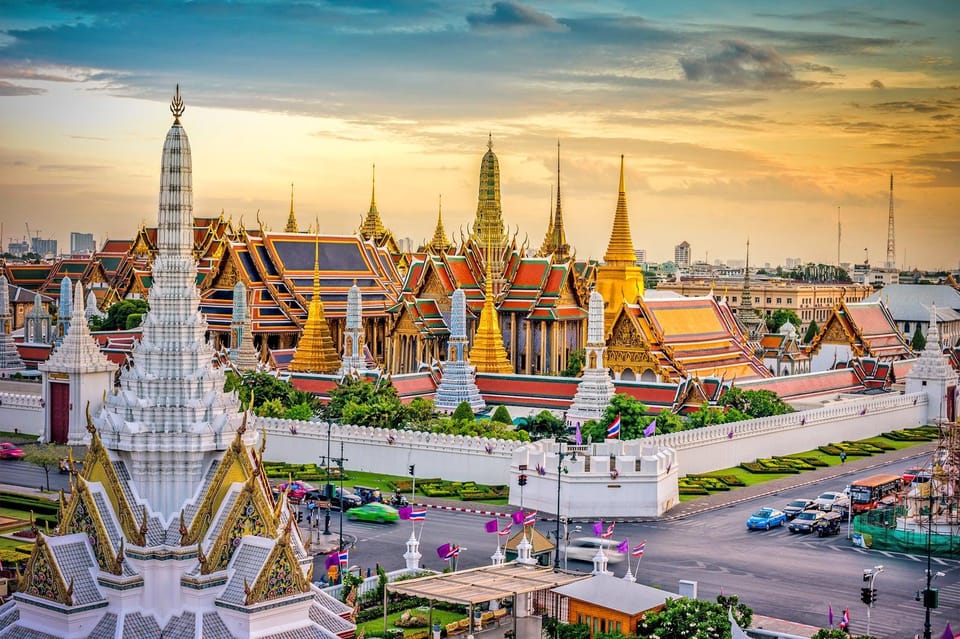
Grand Palace, Wat Pho, and Wat Arun Guided Tour
Enjoy Bangkok's rich history and spiritual heritage with this guided tour of the city's three most famous temples.

Cooking Class by Samui Native Instructor Geng and O Family
Have a great time in the cooking class by Samui Native instructor; Geng & O family. We do arrange picked up from your accommodation on time and then went to a local market together. Our ancient Thai
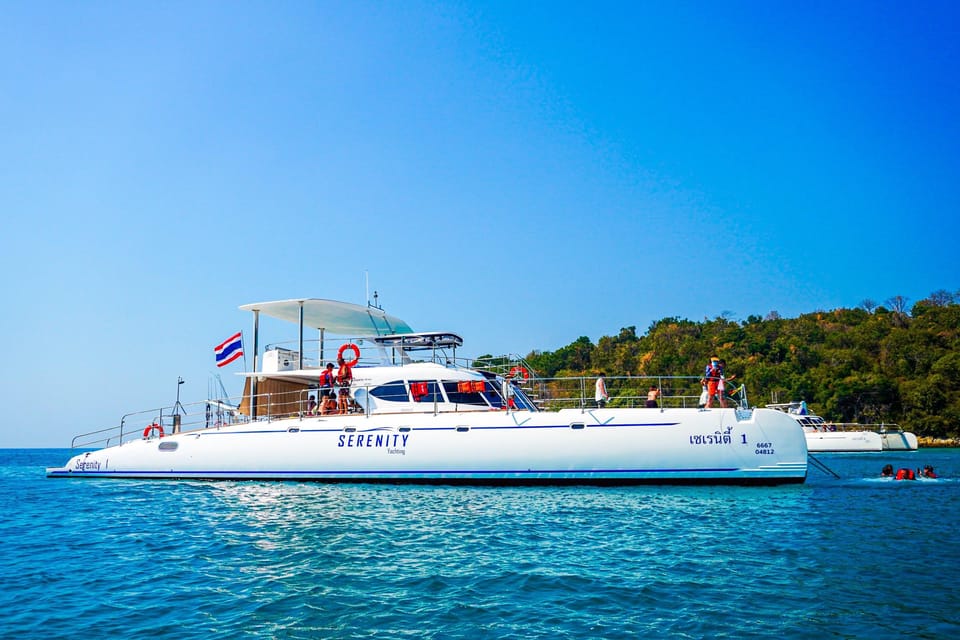
Exclusive 3-Island Catamaran Tour with Buffet Lunch
Set sail on a 73-ft catamaran to Pattaya hidden islands snorkel, fish, and relax with top service,
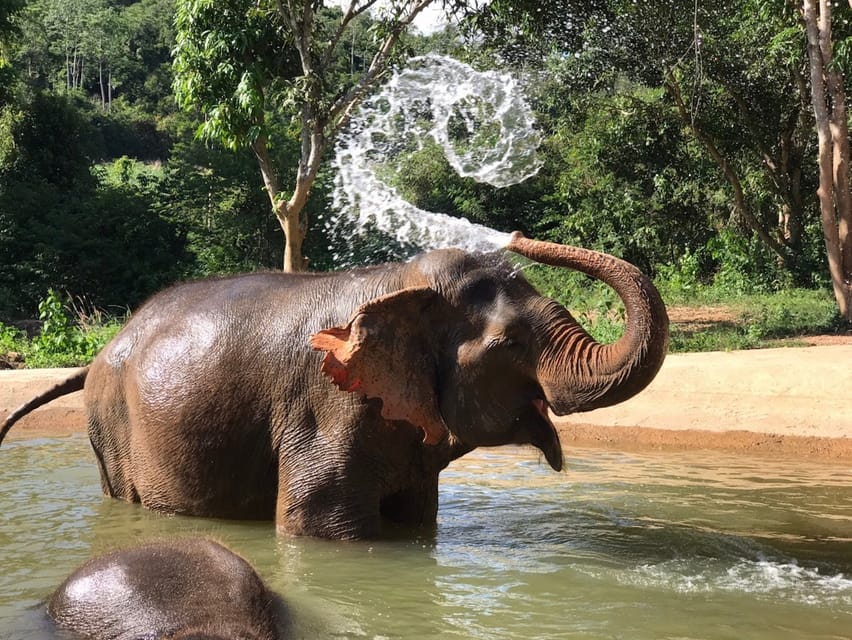
Ethical Elephant Sanctuary Interactive Tour
Spend time in a memorable experience at the Pattaya Elephant Sanctuary. Interact with the

Highlights of Bangkok (Private Day Trip)
Enjoy your private full day tour, visiting the highlight of Bangkok including Grand Palace and Temple of Emerald Buddha, Wat Arun (Temple of Dawn), Wat Pho (Temple of Reclining Buddha), and Gold Buddh

Chiang Mai 4WD Hilltribe Coffee: Jungle Trek, Roast & Brew.
Beyond the Pavement: After a comfortable VIP van ride, we switch to a 4WD off-road adventure. You'll penetrate deep into a remote Karen hill tribe village, a place where life still follows the rhythm
Explore Activities in Thailand
Didn't see anything interesting yet?
Browse Viator's full catalog of tours, day trips, food experiences, and private guides in Thailand.
See All Thailand Tours on Viator